
A national coalition of providers, clinicians, families and advocates
Commercial insurance isn’t playing fair.
An invitation to join the Alliance.
What We’re Facing
Have you been denied care, discharged before you were ready, or struggled to find treatment that actually works?
Has your bottom line dropped over the last couple of years?
The cause: commercial insurance isn’t playing fair. Insurers charge families and people in recovery high premiums, then on the flip side:
Deny claims
Pay low reimbursements
Drop patients
Force unsafe discharges
Better Access
Stronger Communities
Healthier Futures
Behavioral health providers across the country are watching the same thing happen. Denials climb, authorizations shorten, and patients leave before they are ready. The Behavioral Health Defense Alliance exists to put that pattern on the record where it cannot be ignored.
What no one has is the full picture. Each provider holds their own file of denials. Each family holds their own letter.
The Pattern
It is not. The same practices show up in Florida and in Oregon, at twelve beds and at ninety. Claims that cleared two years ago come back denied on documentation grounds. Authorizations that once ran four weeks now run eight days, with the clinical rationale arriving after the patient has already been discharged. Appeals succeed often enough to prove the original denial was wrong, and slowly enough that the money arrives after the quarter it was needed in.
Families carry it on the other side. They pay premiums for coverage that produces a denial letter at the exact moment they need it most, and they are told the decision was clinical when no one on the plan’s side ever met the patient.
Scattered, those are complaints. Collected, they are evidence.
BHDA collects denial records, discharge decisions, and reimbursement data from providers and families nationwide, then turns that material into public research that regulators, journalists, and policymakers can actually use.
We publish what we find. We educate the public on how mental health parity law works and where enforcement falls short. We bring providers, clinicians, families, attorneys, and labor representatives into the same room so that the people who see this from different angles can describe it with one set of facts.
Membership costs you a form today. What it builds is a body of evidence no single facility could assemble alone.
What the Alliance Does
Document.
Publish.
Unite.
Who Stands With You
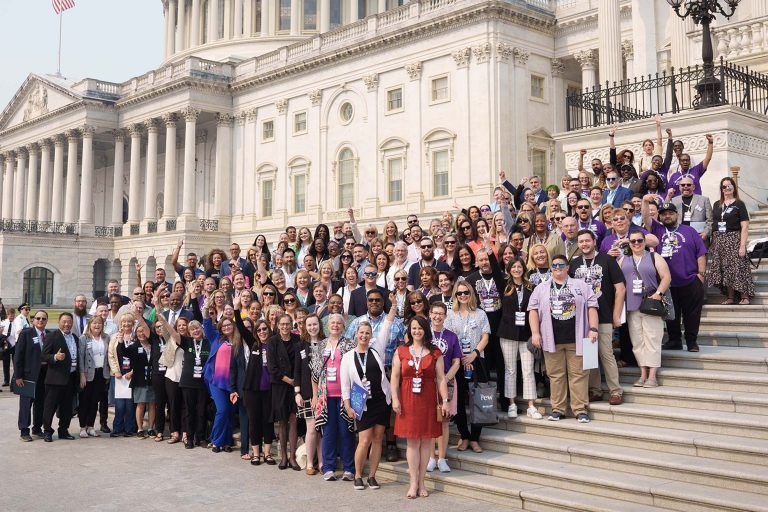
The alliance was built wide on purpose. An insurance executive reading a letter from one facility can file it. A letter carrying providers, clinicians, families, attorneys, unions, and regulators is a different document.
Operators fighting for fair reimbursement and the ability to keep their doors open.
Physicians, PAs, medical directors, and therapists who want medical necessity to be the standard that decides care.
Individuals and families who were denied care they had already paid for.
Labs, pharmacies, and billing companies who see the systemic patterns from inside the claims process.
The workforce funding these plans through their premiums.
ERISA and bad faith attorneys already litigating these denials.
What the Alliance Does
If you own a facility, deliver care, or have been personally affected by a denial, there is a place for you here. Adding your name takes under a minute and costs nothing. What it does is make you countable.